April 2015

This installment of Written Words has reviews of two very different types of books. First is Secrets by SL Pierce: a taut, fast-paced thriller. Pierce is a professional writer. Her skill and knowledge of putting together a good read is evident in all her books. She doesn’t waste words and knows how to make a […]

Castles, by Ben Wretlind — an independent book review

Castles: A Fictional Memoir of a Girl with Scissors by Benjamin X. Wretlind My rating: 5 of 5 stars Often, you can tell on the first page whether a writer knows what he or she is doing. There’s a flow, a grace to the way these writers construct their sentences that makes reading a joy. […]

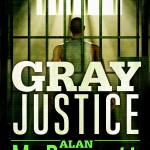
Indy book review: Gray Justice, by Alan McDermott

Tom Gray has a cause. It looks like revenge, but it’s more than that: he wants to change a system that he thinks is rotten. He’s sure that most of the people of his country think it is, too, and the government is just too hidebound, incompetent and cowardly to do anything. So he takes […]

Don’t carve your outline in stone

Of all the tools and techniques for writers that I have written or spoken about, the outline gets the most resistance. Students, bloggers, aspiring writers and tweetmates argue “I like to write by the seat of my pants” or “I can’t use an outline.” But I have yet to find a professional writer, one who […]

Get a GRIP, part 4: the Plan

While this is part 4 of this series of posts, this is the fourth step in pre-writing—the stages you have to follow before you start writing even the first draft of your brilliant document. If you recall, I call the process “getting a GRIP.” G – goal or purpose—what you hope to achieve with your writing […]

Get a GRIP, part 3: the Idea

What is the one thing you have to say? The third step you have to take before your write anything is to decide on the main idea of your document. No matter how long or short it is, you have to be able to sum up the point in one clear, complete sentence. When U2 […]

Get a GRIP, part 2: the Reader

  What’s the most important part of writing? Right. The reader. Consider the readers’ needs. Write for them. Keep in mind why they should care about what you have to say. What’s in it for them? How can you make their lives or work easier or better? Why should they spend time reading or watching […]