


A guest post by Scott Justin
 About a month ago, a young writer named Scott Justin sent me an email, offering a guest essay for Written Words. Here is his observation on a tool that writers can use to bring audiences into their stories and bond with the characters.
What do you think? Leave a Comment for Scott.
Emotional frustration is a powerful tool for authors to create strong characters and move a plot along. Because it’s a link between the inner self and external circumstances, emotional frustration is a very common theme in novels and plays.
In general terms, frustration is a nervousness that derives from not being capable of doing what we wish to do. Obviously, most of the time, humans fall short of doing what they wish to do. The same thing is obvious in a fictional character. When writing a script, story or novel, portraying emotional frustration within characters is essential. Emotional frustration within characters brings originality and genuineness to your fictional work. But the main benefit of including emotion and frustration is that it can boost the writer’s imaginations, expression and creativity.
Why frustrate emotions?
Frustration arises when a person fails to get what he or she desires. Love, hate, rage and desire are most common emotions writers use to create emotional frustration in their characters. Love for a person or desire to accomplish an aim drives most plots in movies and novels. But in a good story, characters cannot attain their goals and love immediately, giving rise to emotional frustration.
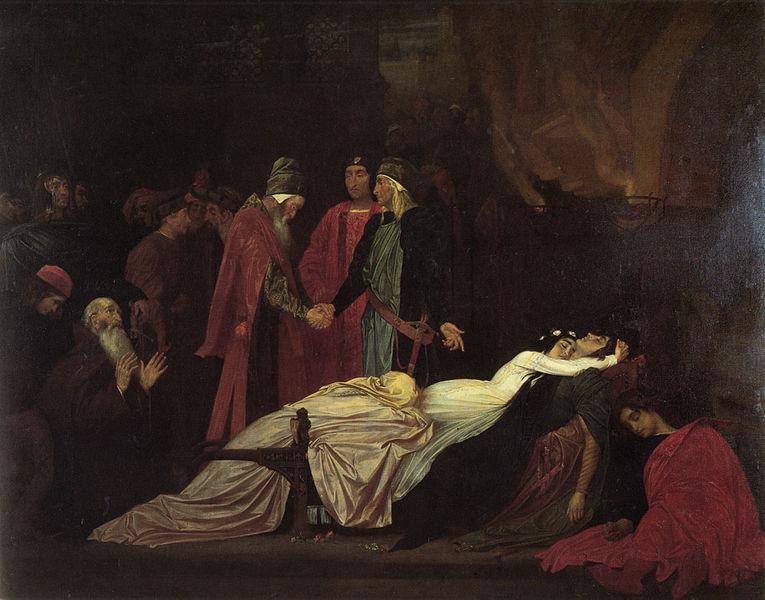
Frustration makes a story work. William Shakespeare’s Romeo and Juliet brought to life the emotion of frustrated characters. The lovers’ lives are sacrificed to end the dispute between two powerful families. The main characters fail in their plans and become one through their death. By portraying emotional frustration of two lovers, Shakespeare could ensure that Romeo and Juliet’s love grips a stimulating and deeply united notion of love.

If Romeo and Juliet met, fell in love, got married and lived happily for years with no obstacles, there would be no story. Shakespeare used the lovers’ frustration to create a tragic love story that is compelling, moving and immortal. He used the themes of hostility, love, hate, family dispute, violence and friendship to show the characters’ emotional frustration. Romeo and Juliet reminds us the importance of building emotional frustration within characters in order to make a superior plot.
Frustration draws audiences
Building emotional frustration within characters is crucial for a writer because it draws the attention of audiences. The emotionally engaged moment in a novel or movie will also draw an audience into the experience. If you fail as a writer to show emotional frustration within characters, the audience will turn away from the story because it offers them no experience. Without emotional frustration within characters, the plot can feel be a dried up or empty.
Emotional frustration is is easy to perceive, because it bonds a reader to the story and its characters. The success of every writer lies in depicting character’s frustration to best advantage as, for an example, Emotional frustration within characters creates story and how your character manages frustration will decide main components of your plot.
Frustration as an expression
Writers can use emotional frustration as expression. In a play, frustration can present substantial energy and feel tangible to an actor. For that reason, emotional frustration within characters can make the plot more engaging.
All successful stories, regardless of what genre, use the two elements of emotion and frustration as powerful tools to create a bond between their characters and the audience, to better express themselves.
About the guest author:
I am Scott Justin. I have been working as a freelance writer for the last 15 years. I appreciate this calling since it helps me to draw out the best in me inevitably. I have written articles for journals, blogs, and many other online publications. I have a graduate degree from St. Joseph’s University. Educating is another calling expert that I cherish. I have been working with a professional cheap essay writing service for ten years. I find it rewarding to present the best thoughts appropriately in formal and scholarly structures in different fields.
Permalink
I agree with the premise. Characters need obstacles to overcome, so a writer needs to elaborate on the “frustration” and then take the character to a proper conclusion. If we leave a character hanging, that frustrates the reader. One of my characters was afraid that her the mind control ability she inherited from her evil father would make her become evil as well. By letting her develop the power and use it to help her siblings, I allowed the character to grow. It’s very satisfying for an author and a reader.
Permalink
That’s really great insight – I used to call this concept, “obstacles” but I like “emotional frustration” because it puts it in a different light. I have a book right now I’m writing and I think I’m going to use this ideain it and ask myself questions on this topic. Thank you so much!
Permalink
I enjoyed your post, Scott. Thanks for the read.
Frustration draws audiences–excellent point.
I’ve seen many stories that suffer from premature resolution. The characters experience obstacles and frustration, but they overcome too soon. Then the last half of the novel seems like a wrap up.
Permalink
Emotional frustration is a great tool. I recently finished reading a book where the author made it go on way too long, then tied up all the frustration in the last chapter. That is annoying.